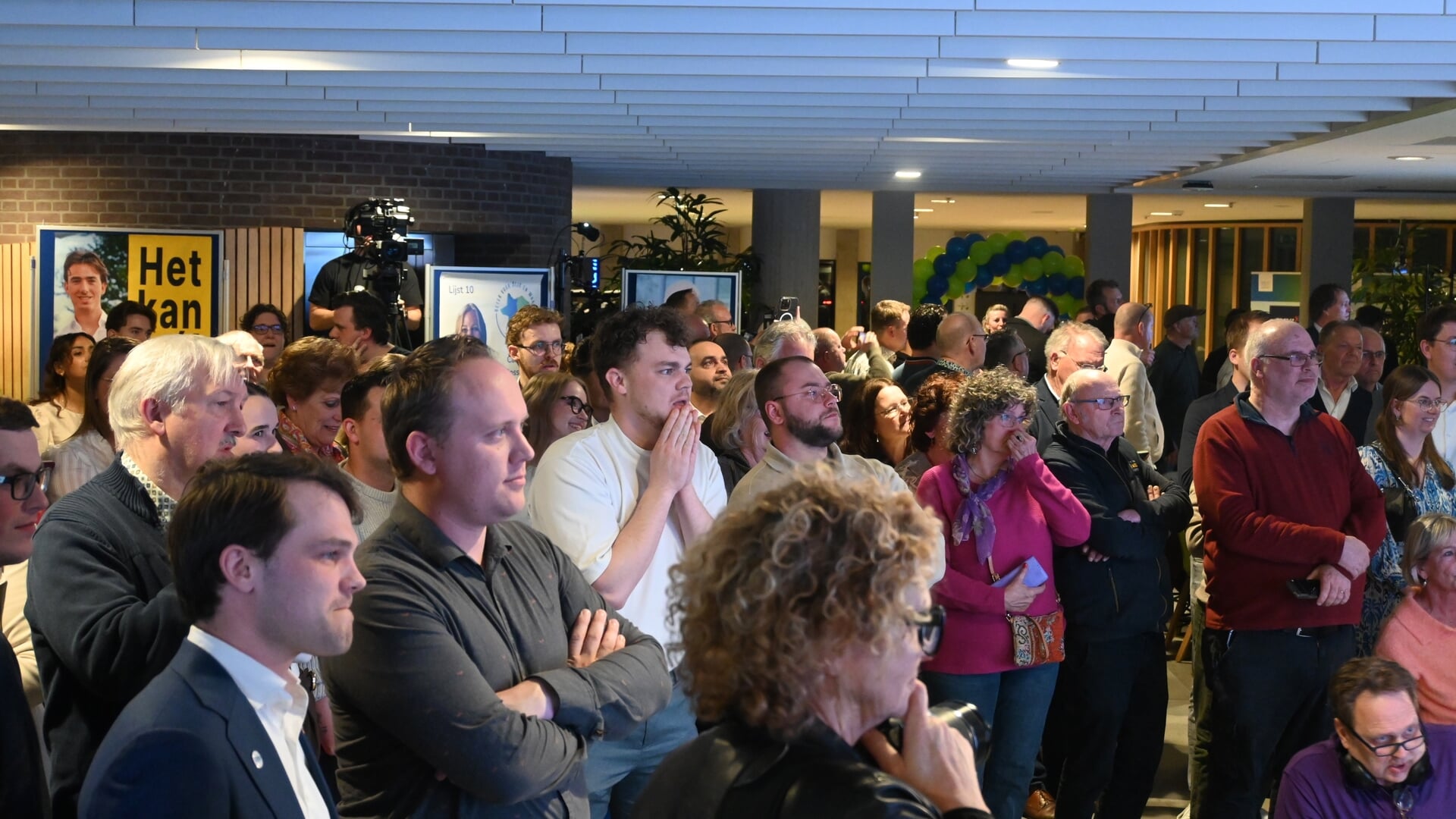
The Pulse of Dijk en Waard: Unpacking Broek op Langedijk & Heerhugowaard Data for Polling Insights
Dijk en Waard, a vibrant municipality in North Holland, is a melting pot of diverse communities, each with its unique character and priorities. Understanding these communities is paramount not just for local governance, but also for deciphering the nuances of local election outcomes. While raw polling numbers from any given
Stembureau Dijk en Waard offer a snapshot of voter sentiment, a deeper, more comprehensive analysis requires linking these figures with the demographic and socio-economic realities of its constituent towns, such as Broek op Langedijk and Heerhugowaard. This article delves into how data from these key residential areas can illuminate voter behavior and inform our understanding of the broader political landscape within Dijk en Waard.
The journey to an informed electorate and effective local policy begins long before a ballot is cast at a
Stembureau Dijk en Waard. It’s rooted in the daily lives, challenges, and aspirations of its residents. By exploring the unique profiles of Broek op Langedijk and Heerhugowaard, we can gain invaluable insights into what drives local political discourse and how policy decisions resonate with the populace.
The Foundation: Understanding Dijk en Waard's Key Residential Areas
To truly grasp the dynamics influencing votes cast at a
Stembureau Dijk en Waard, we must first appreciate the distinct characteristics of its major population centers. The municipality is not a monolith; its parts contribute in different ways to the overall picture.
Broek op Langedijk: A Snapshot of Community Values
Broek op Langedijk, known for its picturesque waterways and historical agricultural roots, embodies a sense of close-knit community. While specific data points vary over time, a typical analysis would focus on factors such as:
- Population Demographics: Is it a predominantly older population, or are there many young families? The average age, household size, and composition significantly influence local priorities, from childcare facilities to senior services.
- Economic Profile: What are the primary industries? Is it a commuter town, or does it have a strong local economy? Economic stability or challenges can directly impact voter concerns about employment, local business support, and infrastructure.
- Housing Market: With an emphasis on traditional housing styles and a strong local identity, issues such as housing affordability, availability of starter homes, or the preservation of its unique character would likely resonate strongly with residents heading to a Stembureau Dijk en Waard.
Understanding these elements allows us to hypothesise how residents of Broek op Langedijk might lean on issues related to environmental protection, cultural heritage, and small-scale community development, potentially influencing their choices at the ballot box.
Heerhugowaard: A Deeper Dive into Urban Development
Heerhugowaard, in contrast, represents a more urbanized and rapidly developing part of Dijk en Waard. As a larger population center, its statistical profile often points to different, and sometimes more complex, needs:
- Growth and Diversity: Heerhugowaard has experienced significant growth, attracting a more diverse population in terms of age, origin, and socio-economic background. This diversity can lead to varied demands on public services, infrastructure, and social cohesion initiatives.
- Infrastructure Needs: With more residents comes greater pressure on transport links, public spaces, retail, and recreational facilities. Voters here might be particularly attentive to municipal plans for road improvements, public transport, and urban planning.
- Educational and Employment Opportunities: A larger, often younger, and more diverse population means a stronger focus on quality education, vocational training, and diverse employment opportunities. Policies supporting these areas would likely be high on the agenda for many voters at a Stembureau Dijk en Waard within Heerhugowaard.
The contrasting profiles of Broek op Langedijk and Heerhugowaard highlight why a one-size-fits-all approach to policy or political strategy is unlikely to succeed in Dijk en Waard. Each
Stembureau Dijk en Waard, whether located in a tranquil village setting or a bustling urban district, captures the voice of a distinct segment of the population.
Connecting Community Data to the Polling Booth: The Role of Stembureau Dijk En Waard
A
Stembureau Dijk en Waard is more than just a place to cast a vote; it's a focal point where individual choices coalesce into a collective expression of community will. While the specific data about individual polling stations isn't detailed in our context, understanding their overarching function is crucial for any municipality. Each Stembureau, strategically located throughout Dijk en Waard, serves a specific catchment area. The aggregated results from these stations, when meticulously cross-referenced with demographic insights from areas like Broek op Langedijk and Heerhugowaard, can paint an incredibly powerful picture.
For instance, a high voter turnout at a
Stembureau Dijk en Waard in a rapidly developing part of Heerhugowaard might indicate strong engagement with urban planning or housing policies. Conversely, a particular voting pattern emerging from a polling station in Broek op Langedijk might reflect community concerns about preserving local character or agricultural subsidies. Voter turnout, preferential votes for specific parties or candidates, and even invalidated ballots, when analyzed geographically, offer invaluable feedback to the municipal council. It demonstrates that voter preferences are not random but deeply reflective of local needs, aspirations, and challenges.
Local Policy and Voter Impact: The Housing Market Lens
One of the most tangible connections between local governance and citizen sentiment is found in policy decisions that directly impact residents' daily lives. The housing market is a prime example, and the local council of Dijk en Waard has shown its awareness of this.
Dijk en Waard's Housing Loan Initiative: A Case Study in Voter Influence
The initiative by the Raad Dijk en Waard to offer "leningen voor starters op de woningmarkt" (loans for housing market starters) is a direct response to a pressing social and economic challenge. This policy is designed to help first-time buyers navigate the increasingly difficult housing market, a concern that resonates across many communities in the Netherlands.
- Target Audience: This policy directly targets young families, single professionals, and other first-time buyers who are struggling to enter the property ladder. These individuals often represent a significant voting bloc, especially in areas with growing populations.
- Impact on Broek op Langedijk & Heerhugowaard: In Broek op Langedijk, such loans could help maintain the community's vitality by allowing younger generations to stay in their hometown. In Heerhugowaard, with its ongoing development, these loans could stimulate growth and affordability, addressing a critical need for many new residents.
- Electoral Significance: A policy like this has the potential to significantly influence voter behavior. Voters who directly benefit from such initiatives, or those who see them as vital for community well-being, are more likely to support the parties or council members who champion them. This direct link between policy and personal impact can be clearly reflected in the voting patterns observed at a local Stembureau Dijk en Waard. Understanding these dynamics is crucial for voter insights Dijk en Waard.
This example underscores how a concrete local initiative can serve as a powerful differentiator in local elections, directly connecting the council's actions to the perceived benefits by the electorate. It's a clear demonstration that what happens in the municipal council directly influences what happens at the polling station.
Beyond the Numbers: Interpreting Polling Trends and Engaging Citizens
Interpreting polling trends goes beyond simply counting votes. It involves a sophisticated analysis that correlates electoral results from each
Stembureau Dijk en Waard with the unique socio-economic tapestry of its surrounding area. By doing so, local government and citizens alike can gain profound insights.
Practical Tips for Citizens:
- Research Local Candidates and Policies: Don't just vote along national party lines. Investigate what local candidates and parties promise specifically for Broek op Langedijk, Heerhugowaard, or your specific neighbourhood.
- Understand Local Issues: Be informed about ongoing local debates, such as housing projects, infrastructure improvements, or cultural initiatives. Your vote at a Stembureau Dijk en Waard directly impacts these.
- Participate Actively: Beyond voting, attend public meetings, engage with local council members, and express your views. Your voice matters in shaping the local agenda.
Insights for Local Government and Analysts:
- Data-Driven Policy Making: Utilize demographic data from areas like Broek op Langedijk and Heerhugowaard not just for planning, but also to anticipate voter needs and tailor policy communication.
- Targeted Outreach: Understand which issues resonate with specific segments of the population based on their location and demographic profile, allowing for more effective and relevant civic engagement campaigns.
- Continuous Feedback Loop: View polling results from each Stembureau Dijk en Waard as a vital feedback mechanism, indicating where policies are succeeding and where adjustments might be needed. This is particularly relevant when connecting housing market decisions to the electorate, offering crucial voter insights Dijk en Waard.
In conclusion, understanding Dijk en Waard's polling data requires a holistic approach that integrates the distinct characteristics of its residential areas like Broek op Langedijk and Heerhugowaard with the broader implications of local policy, such as housing loan initiatives. Every vote cast at a
Stembureau Dijk en Waard is a reflection of local concerns, aspirations, and the impact of municipal decisions. By meticulously analyzing these connections, Dijk en Waard can foster a more representative democracy, where local governance truly reflects and responds to the diverse voices of its communities. This comprehensive view not only enhances our understanding of past elections but also equips us to anticipate future trends and strengthen civic engagement across the municipality.